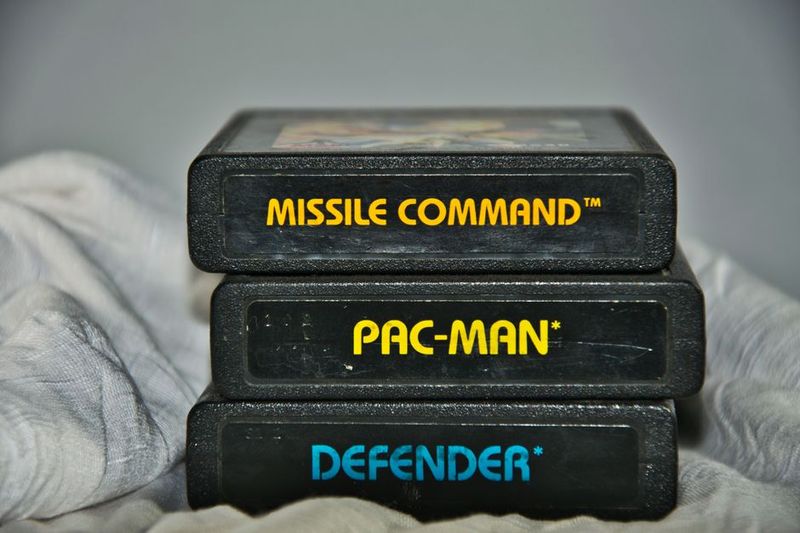
How Kid Chameleon Reused Its Tile Sheets
We trace the sprite-swapping system that let a single character model carry a dozen distinct looks without draining Genesis memory.
We revisit the sprites, palettes, and tile tricks that defined the NES and Genesis era, one frame at a time.
Browse ArchiveDig into tile sheets, palette limits, and the tricks that made 8-bit and 16-bit worlds come alive.
A working list of titles that shaped how we think about pixel art on 8-bit and 16-bit hardware
A Genesis platformer with a wildly inventive sprite-swapping mechanic that pushed Sega's color palette tricks in ways rarely discussed today.
A late-era NES cartridge praised for its detailed sprite animation, often cited as proof of how far 8-bit character design could stretch.
An early Genesis RPG whose muted, atmospheric palette work set a visual tone that later Sega titles would build on.
Though TurboGrafx-adjacent, its influence on NES-era cartoon sprite design is a frequent reference point in our pixel breakdowns.
Remembered for cinematic cutscenes built entirely from static frames, a clever workaround for the console's memory limits.
A Genesis showcase of large-sprite scaling and explosion effects that tested how much detail the hardware could push per frame.
Recent breakdowns and essays from our writers in Cairo
We trace the sprite-swapping system that let a single character model carry a dozen distinct looks without draining Genesis memory.
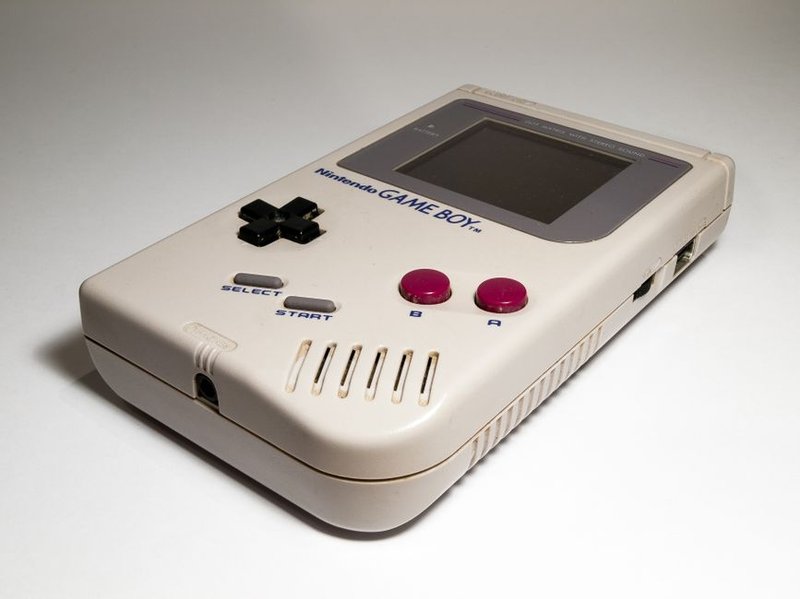
A look at the PPU limitations that forced artists to get creative with dithering and color cycling across hundreds of cartridges.
Long before saturated 16-bit spectacle became standard, this RPG used restraint. We revisit why that choice still holds up.
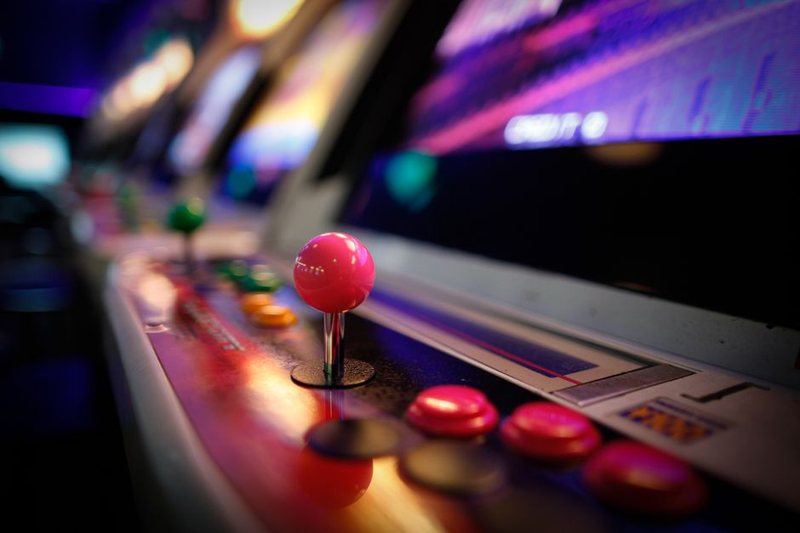
We sorted through submissions from readers across the region and picked five underrated titles worth a second look.
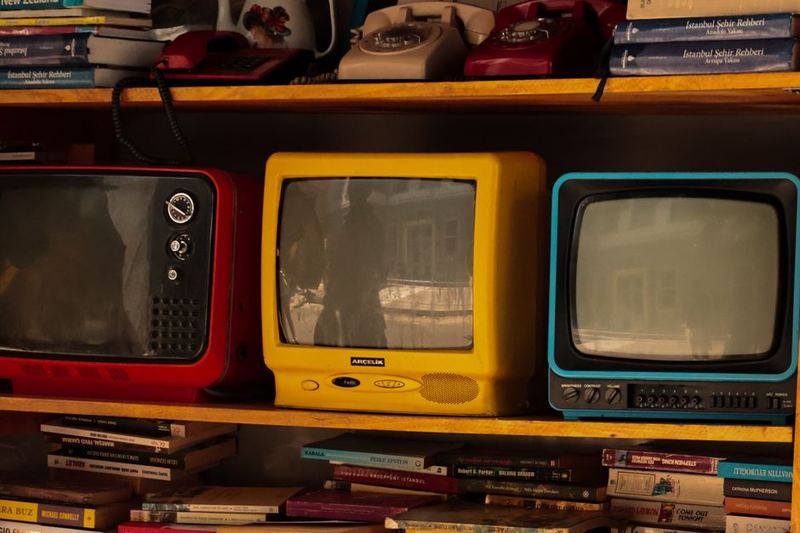
Static frames, clever pacing, and dramatic music did the heavy lifting where the NES hardware simply couldn't render motion.
I've been collecting Genesis cartridges for years and still learned something new from the Kid Chameleon piece. The breakdown of the tile reuse actually changed how I look at sprite sheets now.
Found this site looking for info on NES palette limits and ended up reading four articles in one sitting. The writing doesn't talk down to you, which I appreciate.
The Phantasy Star II piece nailed something I could never quite explain about that game's atmosphere. Sent it to three friends who grew up on the same console.
A few things people often ask us about the site and our coverage
Our core focus stays on 8-bit and 16-bit consoles, mainly NES and Sega Genesis, though we occasionally reference contemporaries like the TurboGrafx-16 for context.
We rely on published developer interviews, official game credits, technical documentation from the era, and close visual analysis of the games themselves.
Yes, we regularly pull reader suggestions into our writing queue, especially for lesser-known cartridges that deserve more attention.
No. Dr Smile Box is strictly an editorial site covering history, analysis, and commentary. We don't host or link to game files of any kind.
New pieces go up weekly, alternating between deep technical breakdowns, historical retrospectives, and reader-submitted topics.