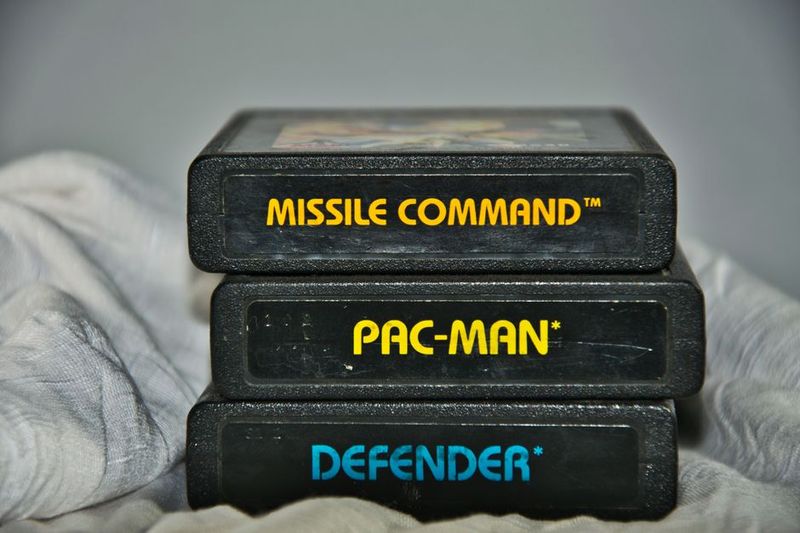
How Ristar's Sprite Work Pushed Genesis Color Limits
A look at how Sega's in-house team stretched the Genesis palette to give Ristar's world an unusually painterly feel for its time.
From Cairo, we revisit NES and Genesis history, one sprite sheet and one cartridge label at a time.
Browse ArchiveEditorial pieces built on sprite-sheet study, box art research, and hands-on cartridge sessions
Frame-by-frame looks at how 8-bit and 16-bit artists solved color and resolution limits to build memorable sprites.
How NES and Genesis titles shifted between Japanese, American, and European releases, and what changed along the way.
Coverage of games that never got their due, pulled from the back half of Genesis and NES libraries.
Portraits of the studios and pixel artists behind the golden era's most distinct visual styles.
Recent essays and research pieces from the Dr Smile Box writing team
A look at how Sega's in-house team stretched the Genesis palette to give Ristar's world an unusually painterly feel for its time.
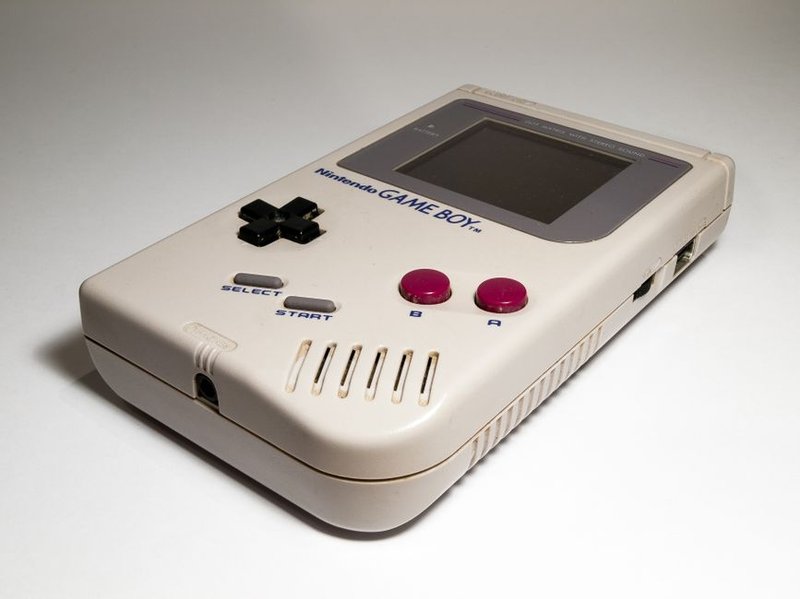
Breaking down the Picture Processing Unit's tile system and how its constraints quietly dictated NES art direction.
Before Sonic, Alex Kidd carried Sega's mascot duties. We look at the art choices that got lost in his shadow.
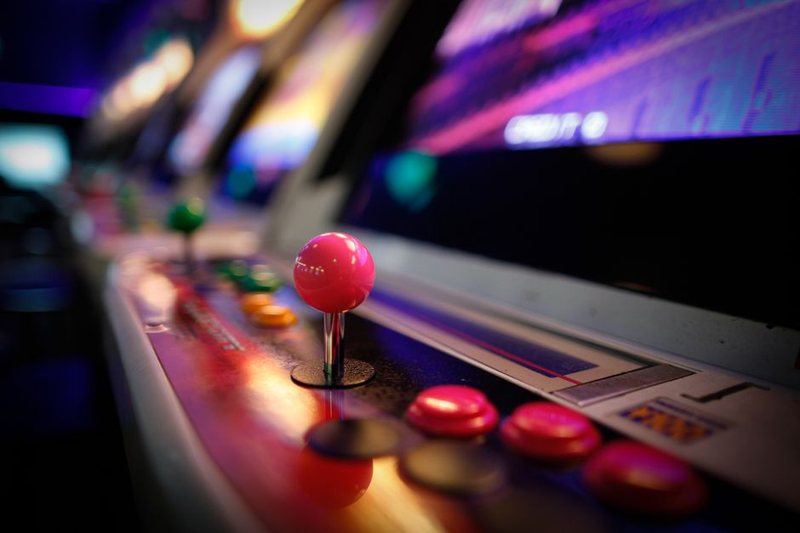
How a small art team built Contra's dense enemy design and explosive backgrounds within strict cartridge memory limits.
PAL conversions often meant altered color timing and border adjustments. We trace what that meant for pixel artists.
New essays on NES and Genesis pixel art history land regularly, straight from our Cairo desk.